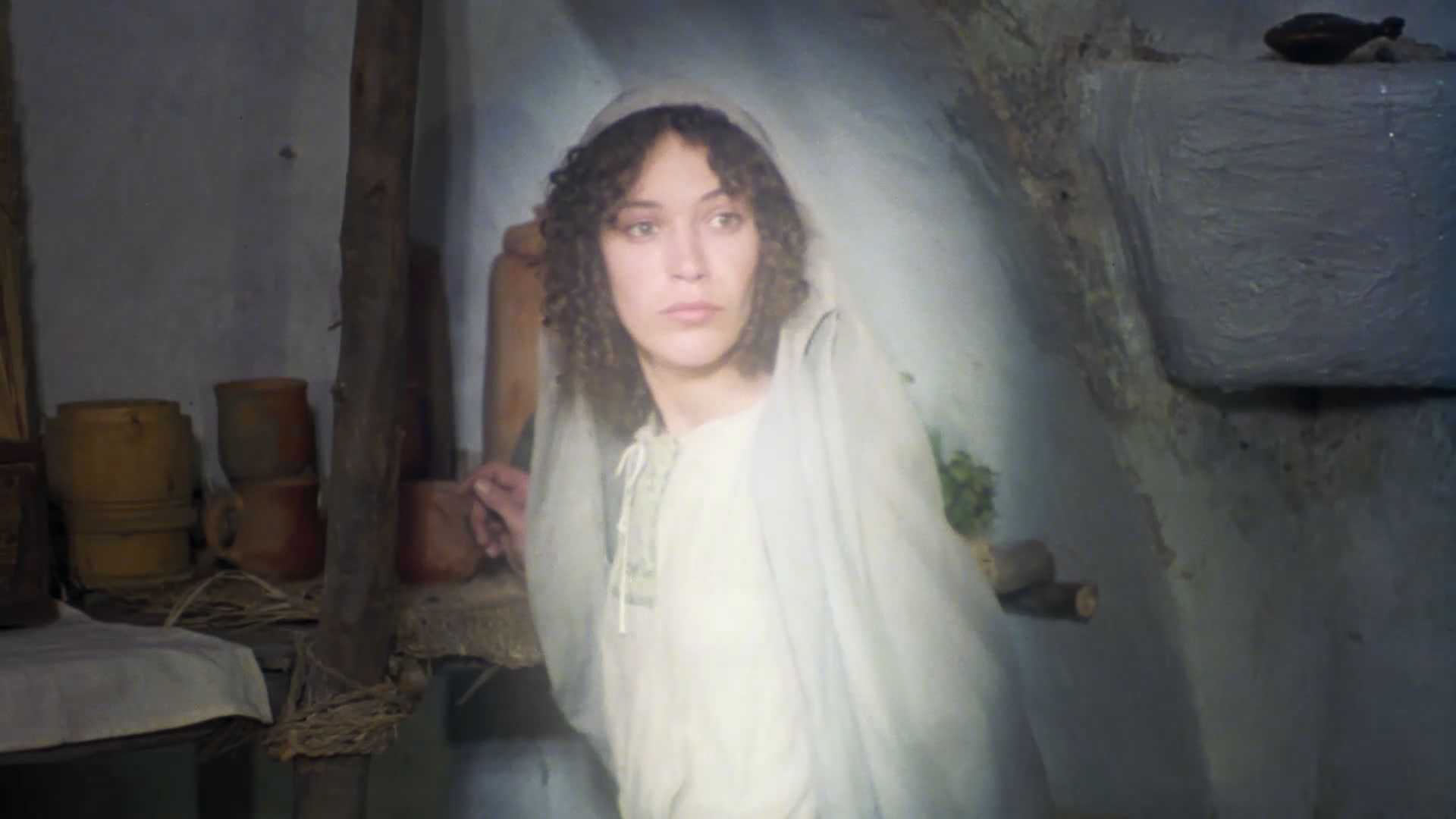
Gabriel's message and Mary's response
Luke records that God sent the angel Gabriel to Mary in Nazareth, a town in Galilee. Mary was a virgin pledged to marry Joseph, a descendant of David. Gabriel announced that Mary would give birth to Jesus (Luke 1:30–33). He greeted Mary as someone highly favored and told her that the Lord was with her. Mary was greatly troubled by his words and wondered what the greeting meant (Luke 1:26–29). [1]
Gabriel reassured her that she need not be afraid because she had found favor with God. He then announced that she would conceive, give birth to a son and name him Jesus. His message also described the child's identity and reign: he would be great, would be called the Son of the Most High, and would receive David's throne. He would reign over Jacob's descendants forever, with a kingdom that would never end (Luke 1:30–33). [1][2]
Mary asked how this would happen, since she was a virgin. Gabriel answered that the Holy Spirit would come upon her and the power of the Most High would overshadow her. He connected that explanation with the child's identity: the holy one to be born would be called the Son of God. Luke's account thus gives Mary's question a specific answer, identifying God's power as the agency of the conception (Luke 1:34–35). [1]
Gabriel also told Mary about her relative Elizabeth. Despite her old age and having been considered unable to conceive, Elizabeth was already six months pregnant. Mary therefore learned of both her own promised child and Elizabeth's pregnancy during the announcement (Luke 1:30–36). Gabriel concluded his explanation by assuring her that no word from God would fail (Luke 1:36–37). [1]
Mary answered by identifying herself as the Lord's servant and accepting the fulfillment of his word; Gabriel then left her (Luke 1:38). Christians understand her response as humble faith. Her acceptance followed both the announcement and her question about how it could happen: she heard Gabriel's explanation before entrusting herself to the promise. [1]