Three challenges, three answers from Deuteronomy
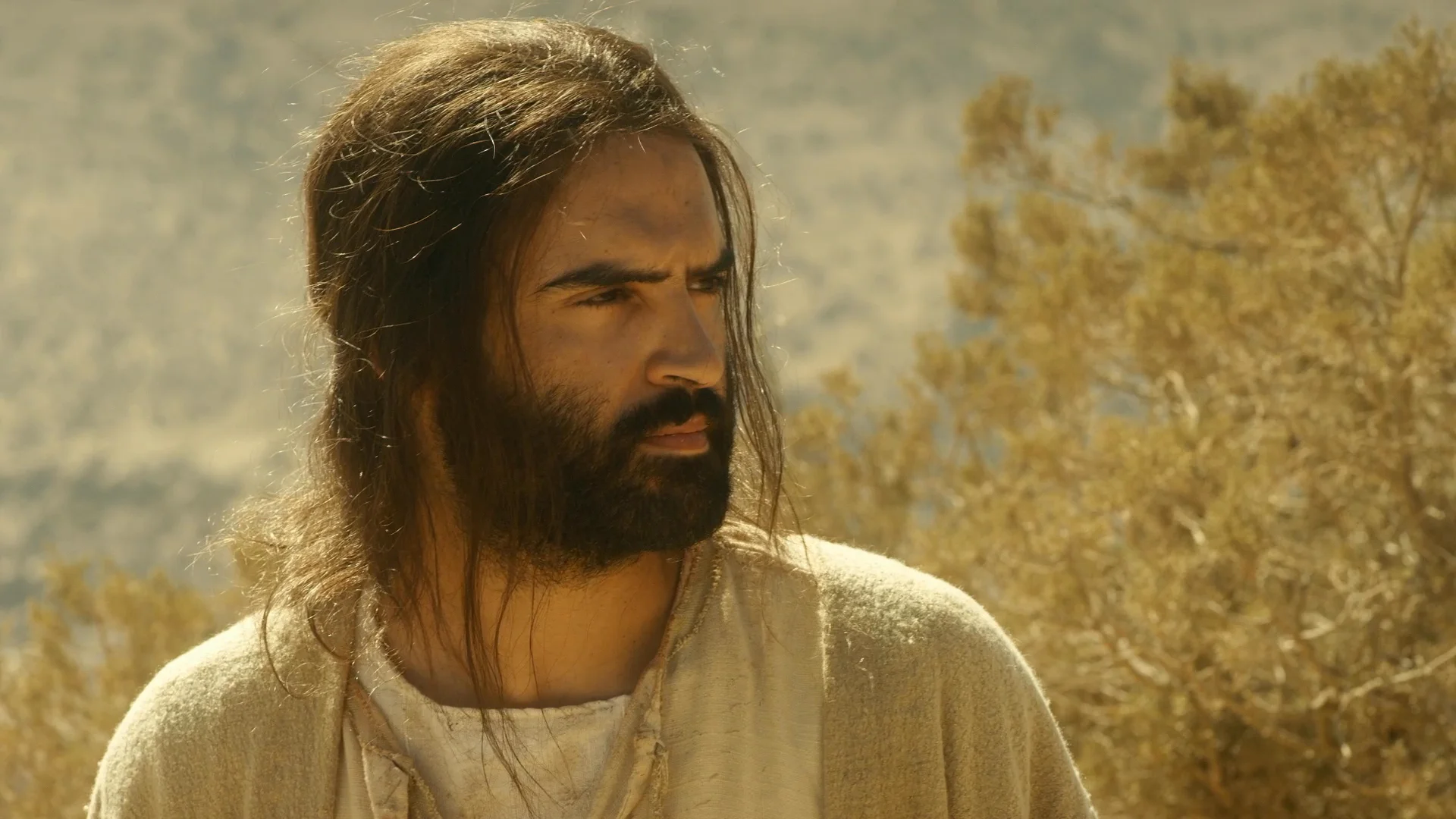
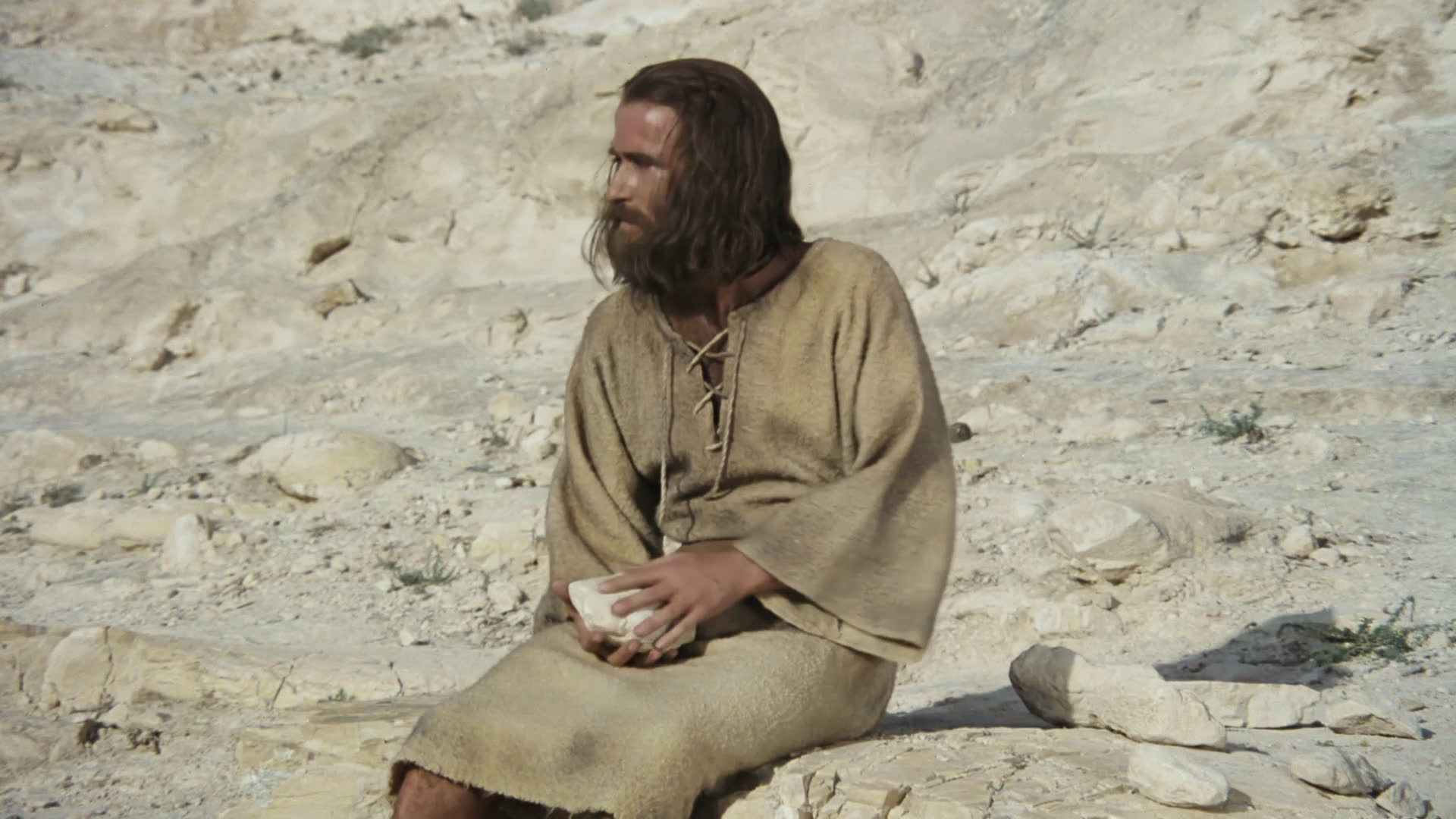
Jesus answered each temptation with Scripture (Luke 4:3–12). In Luke's account, Satan first urged the hungry Jesus to turn a stone into bread (Luke 4:2–3). Jesus replied, “Man does not live on bread alone,” drawing on Deuteronomy 8:3 (Luke 4:3–4). His answer addressed the temptation through God's word.
Deuteronomy gives that answer a concrete setting: God humbled Israel through hunger and fed the people with manna, teaching dependence on his word. GotQuestions explains that the surrounding warning concerns prosperity and the danger of becoming self-satisfied, forgetting God's care and treating blessings as the product of one's own strength. [1]
Next in Luke's sequence, Satan showed Jesus the kingdoms of the world and offered them in exchange for worship. Jesus rejected that condition by citing Deuteronomy 6:13: “worship the Lord your God and serve him only” (Luke 4:5–8). His reply identified God alone as the one to worship and serve.
At the temple in Jerusalem, Satan urged Jesus to throw himself down, quoting Psalm 91's promise of angelic protection. Jesus answered with Deuteronomy 6:16: “Do not put the Lord your God to the test” (Luke 4:9–12). Even when Satan used Scripture in his challenge, Jesus refused the proposed action.
For Christian application, Jesus Film Project interprets the bread temptation as Jesus placing God's will above his physical needs. It applies that priority to legitimate desires such as approval, love and pleasure: those desires can become occasions for temptation when pleasing God is displaced by satisfying them. [2]