What Jesus’ actions and words challenged
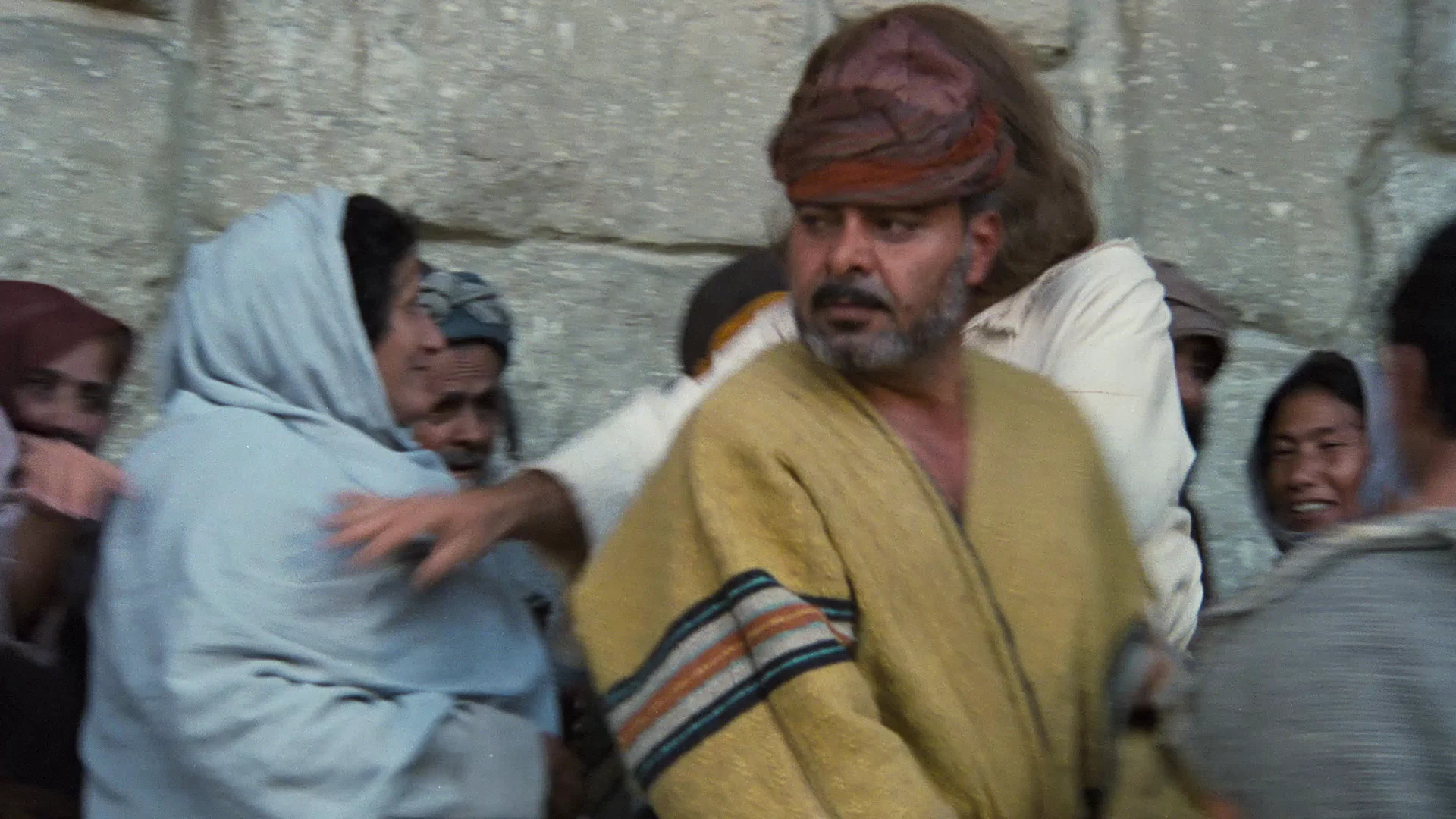
Luke 19:45–48 records Jesus entering the temple and driving out those selling there. The trade served visitors attending religious festivals. In the Christian interpretation of this action, the temple was a place to approach God in intimacy, and greed and commerce were intruding upon that relationship. Jesus’ intervention challenged what worship had become in that setting.
Matthew 21:12–13 gives concrete details: Jesus overturned the moneychangers’ tables and the benches of those selling doves. His rebuke drew on two prophetic passages. Isaiah 56:7 describes a house of prayer for all nations; Jeremiah 7:11 challenges the treatment of God’s house as a den of robbers. [1]
In the Christian understanding of Isaiah’s words, worshipers from other nations belong within the temple’s purpose. One reading is that Jeremiah’s rebuke addresses temple leaders who maintained religious observances while oppressing the needy and taking what belonged to others. On this reading, the language Jesus used brings prayer and the treatment of people into the same confrontation. [1]
One explanation of Jesus’ accusation is that the trading involved exploitation: devout worshipers were being cheated, with foreigners and the poor especially vulnerable. On this reading, his anger addressed both the misuse of a sacred place and injustice within it. The charge concerns the conduct of the merchants and moneychangers, rather than a whole people or faith. [2]
A possible explanation of the religious leaders’ resistance is that they regarded the trade as necessary for people to obtain sacrifices and participate in Passover. They may therefore have understood Jesus’ disruption as obstructing their responsibilities. This remains a reconstruction of their thinking, rather than a recorded statement of their motives. [3]
For Christian application, Jesus’ forceful action can be understood as rightly directed, self-controlled anger against abuse. That interpretation does not make the episode permission for unchecked anger in the reader’s own life. [2]