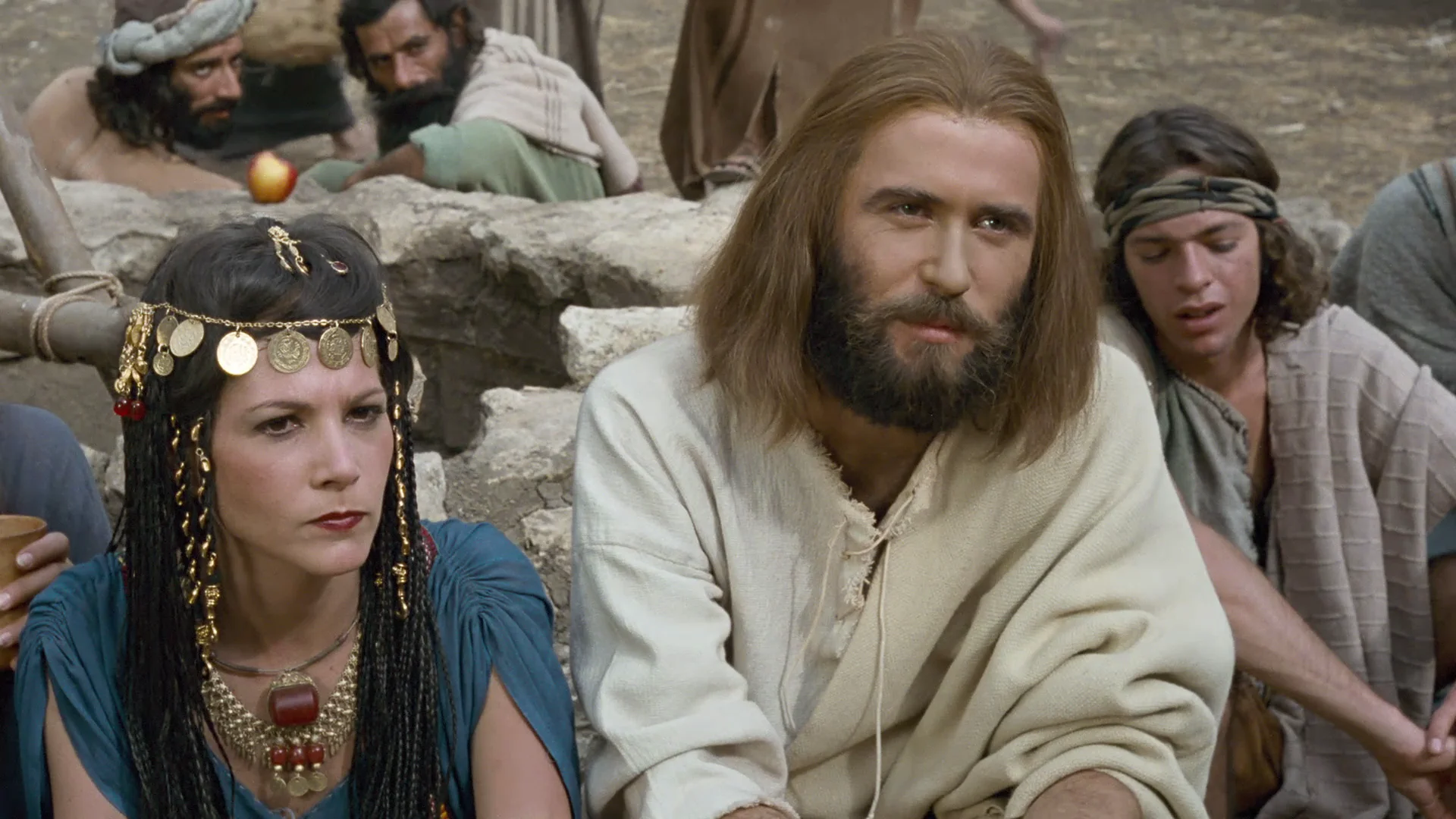
A call that reached Matthew and Zacchaeus
Jesus explained his welcome as a call to repentance. When questioned about eating and drinking with tax collectors and sinners, he answered: “It is not the healthy who need a doctor, but the sick. I have not come to call the righteous, but sinners to repentance” (Luke 5:30–32). GotQuestions explains that the doctor comparison shows why he spent time with people regarded as sinful: their need was the reason to approach them. [1]
Tax collectors had a reputation for embezzlement and cooperation with Roman authorities. GotQuestions explains that religious leaders avoided people they regarded as sinners, and that association with tax collectors challenged those social boundaries. Its interpretation of Jesus' meals is that he wanted these people to know repentance and forgiveness were available. Eating with them brought that invitation into personal contact. [2]
Matthew's encounter began at his place of work. Matthew 9:9 records Jesus calling him from the tax booth and Matthew getting up to follow him. Luke names the tax collector in the corresponding account Levi (Luke 5:27–28); Matthew and Levi are traditionally identified as the same disciple. Jesus' invitation gave a tax collector a place among his followers, and Matthew responded by leaving his booth. [3]
Luke then records Levi hosting a large banquet for Jesus, with tax collectors and others present (Luke 5:29–32). Some Pharisees and their scribes complained to the disciples about their choice of company. GotQuestions understands the gathering as an opportunity for Matthew's friends and acquaintances to meet Jesus. That proposed purpose is an interpretation; the banquet and the objection are part of Luke's account. [2]
Zacchaeus's encounter gives repentance a concrete financial expression. Luke 19:1–10 describes him as a wealthy chief tax collector in Jericho. Jesus went to his house despite the crowd's complaint that he was visiting a sinner. Zacchaeus promised half his possessions to the poor and fourfold repayment if he had cheated anyone. His response addressed both generosity toward others and restitution to people he had wronged. [1]
Jesus declared that salvation had come to Zacchaeus's house and called him a son of Abraham (Luke 19:9). In the Christian interpretation presented by GotQuestions, Zacchaeus's changed conduct expressed his faith in Christ. Jesus explained his own purpose with the words, “For the Son of Man came to seek and to save the lost” (Luke 19:10). [1]